
This April, we're all about getting your business noticed and found through SEO and social media:
Using Instagram for Business
Instagram es una de las redes sociales más populares del mundo. Centrada en las fotos, es ideal para mostrar los productos o servicios de una empresa a un público amplio. Usar Instagram para el marketing empresarial puede ser increíblemente efectivo porque:
- Más de 200 millones de personas visitan un perfil de Instagram al menos una vez al día
- El 60% de las personas dice que se entera de nuevos productos en Instagram.
- 1/3 de las historias de Instagram más vistas son de empresas
- 6 de cada 10 adultos tienen una cuenta de Instagram
- Más del 80% de las cuentas de Instagram siguen al menos una empresa.
- Más de 500 millones de cuentas de Instagram están activas diariamente.
En este artículo, explicaremos más sobre qué es Instagram y cómo usarlo de manera efectiva como herramienta para atraer tráfico al sitio web de su negocio.
Using hashtags on Instagram
Instagram hashtags; you either love them or hate them, use them or avoid them like the plague. Whatever your opinions on using hashtags on Instagram, they are a highly effective tool for business accounts. That's because they:
- atraer nuevos seguidores
- help categorise your posts into topics
- son fácilmente buscables
- son cliqueables
- can be followed
Today we're taking an in-depth look into using hashtags on Instagram to help grow your social media presence and get more website traffic.
Optimising your meta tags for SEO
If you have opted to receive a regular summary of your website activity, you will see there is a SEO Review heading within it which gives your meta tags a percentage ranking on how optimised they are.
Optimising your meta tags (which include SEO filenames and metatitles) is a great way of helping improve your rankings. In this article, we are explaining what are meta tags and how you can complete your meta tags yourself.
Understanding Website Indexing
Having your website indexed is a good thing. It means that search engines know what pages and content your website has, and can display it to their users via their search results pages. Search engines send out their spiders or web crawlers to find new content on the internet, and then index the content in their system. These spiders are particularly looking for new URLs, changes that have been made on a website, and links to and from other pages and websites.
Google and other search engines can take a while to index a new website, as well as any new changes that have been made. You can prompt them to recrawl your site, but the truth is, they will do it when they can and want to. Sometimes you may receive information about Google site index issues, which asks you to correct the problem. But sometimes these aren't actually problems you need to be concerned about or fix - and we share why.
Sitio del mes

This month we have chosen to share EdPro's website as a great example of a service based site. As well as consistent use of branding throughout the site, we also like how they have used photos in the background of some pages. As the website template is responsive, whereabouts the background photos are displayed will vary depending upon the device the site is viewed with. This looks great!
Vídeo del mes
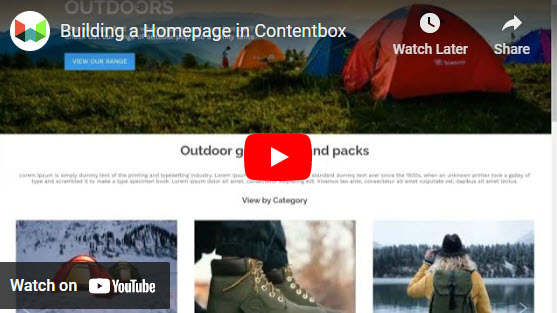
Our focus video this month walks you through how to convert a plain text-based homepage to a more modern feature-rich Contentbox homepage within the Website World CMS.
Posted: 28 Apr 2023
